


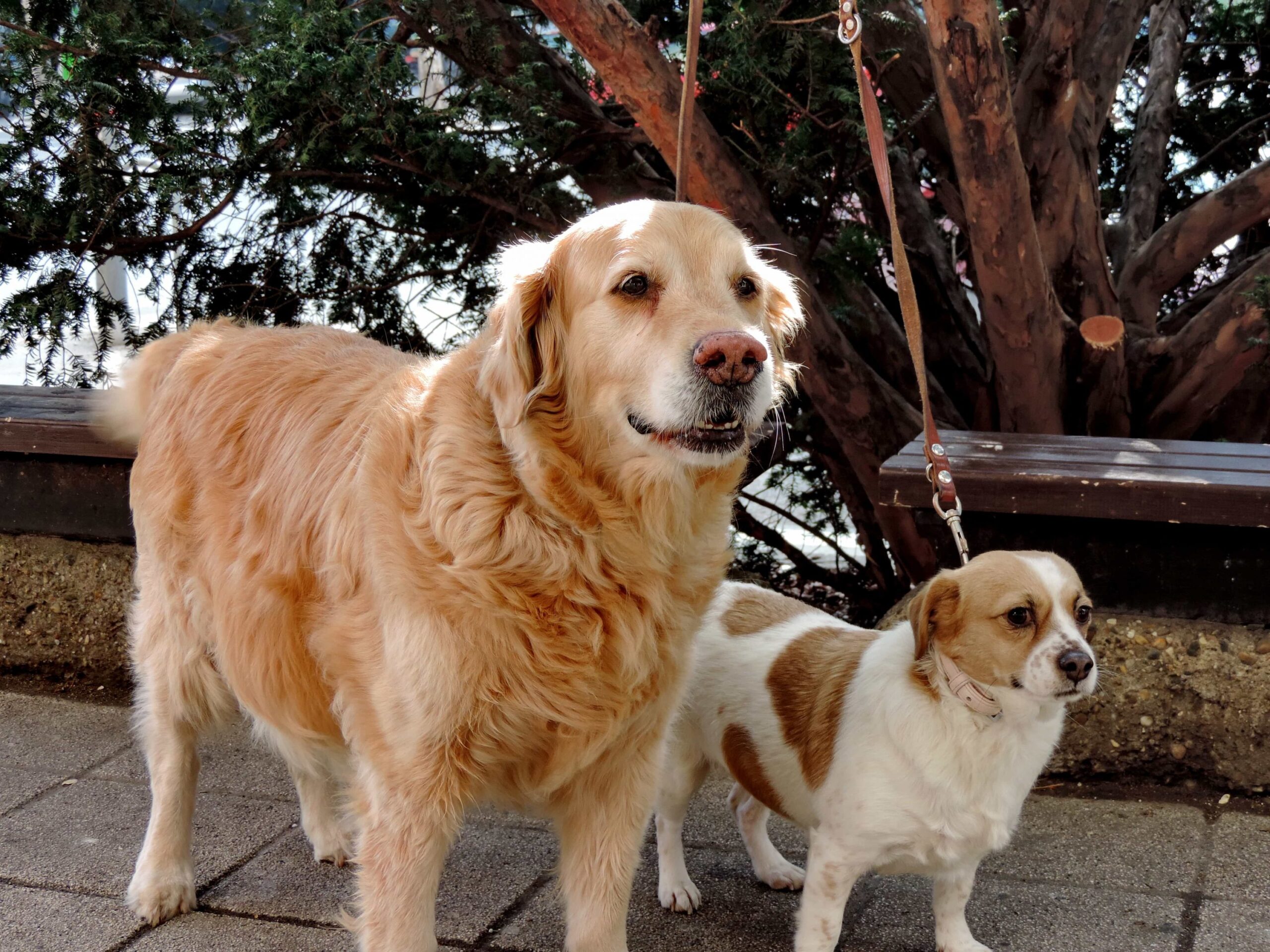
Dona said there has been no evidence so far indicating that the canine coronavirus was deadly to human.
KUCHING (May 22): The Sarawak Society for Prevention of Cruelty to Animals (SSPCA) president Datin Dona Drury Wee has reminded pet owners to regularly keep their pets clean and ensure they receive their annual vaccinations to keep them disease free.
Referring to the canine coronavirus discovered recently in the United States of America (USA), she however assured that there had been no evidence so far indicating that it was deadly to humans.
Citing infectious disease epidemiologist Dr Gregory Gray in an article published by National Public Radio (NPR), she said the human samples tested were taken back in 2017 and 2018 in Sarawak, and had been stored in a lab for future research.
She added that these were tested and found to have what appeared to be a new canine coronavirus.
“No information is given as to what kind of contact the patients had with dogs, and his other colleague, a virologist Dr Vlasova, mentions that it is still early and the virus study has not shown any ‘evidence yet of transmission from human to human’.
“The other virologist Zhang Xu Ming says that ‘it is too early to call this new virus a human pathogen’. They have not conducted tests to show that the new corona virus causes any pneumonia,” she said in a statement.
Malaysia Kini yesterday reported that the research published in the journal Clinical Infectious Diseases (CID) on Thursday showed the coronavirus was believed to be in the early stages of making the jump from animal hosts to humans.
While the findings underscored the public health threat of animal coronavirus and a need to conduct better surveillance for them, the researchers said they still needed more proof.
When testing swab samples collected from 301 patients hospitalised for pneumonia in Sibu Hospital from 2017 to 2018, researchers found eight came back positive for a canine coronavirus.
Apart from a 37-year-old, the other patients were children aged 5½ months to 4½ years from Sibu, Bintulu, Daro, and Julau, who generally recovered after up to six days of hospitalisation.
The study involved researchers from Ohio State University, Duke University, Chinese Academy of Medical Sciences, Sibu Hospital, and Segi University.
Dona pointed out that coronaviruses can cause a range of diseases from the common cold to more severe cases such as the Covid-19, adding that some viruses were spread through contact with fecal matter, rather than just coming into direct contact with the animal.
“Scientists estimated that there are thousands of yet undiscovered coronaviruses in the environment and that they are constantly mutating – which is the reason why you have to have your influenza vaccinations annually, because last year’s vaccination wont work on this year’s viral strain.
“This is why the medical faculty says we may need to take our Covid-19 vaccinations annually as well,” she added.
She pointed out that all coronaviruses can be killed with disinfectants on contact surfaces.
She added that the SSPCA had always advised pet owners, or anyone handling animals, to always wash their hands properly with soap and fresh water, and to always ensure that the area where their pets live in are kept clean and washed daily with soap or a diluted vinegar and soap mixture.
“Bathe your pets regularly to keep them clean, and make sure that they too get their annual vaccinations to keep them disease free. Our pets and their healthcare and well being are our responsibility,” she said.