


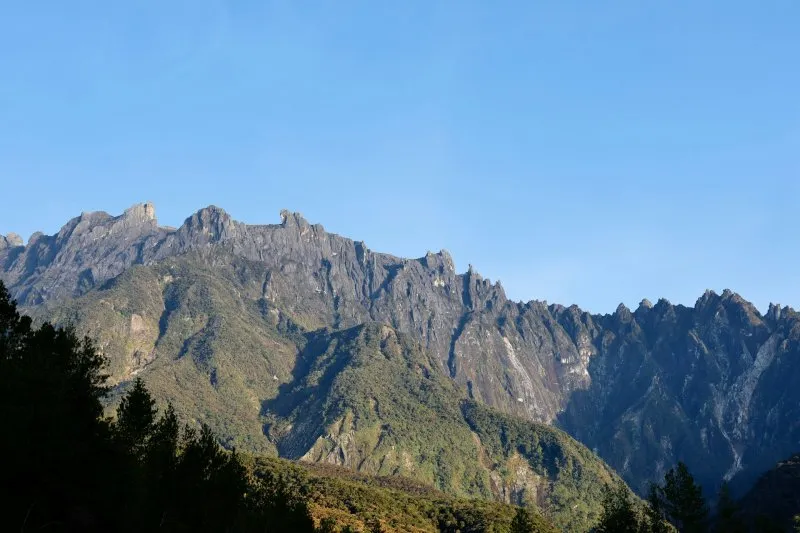
Sabah’s tourism industry generated RM14.4 billion last year, accounting for 12.3 per cent of the state’s economy, an increase of 5.6 per cent from the previous year. — Unsplash pic/You Le
Stay updated on the latest news and insights. Subscribe to our newsletter here


By Julia Chan
First Published: Thursday, 26 Nov 2026 1:00 PM MYT
Last Modified: Thursday, 26 Nov 2026 1:13 PM MYT
KOTA KINABALU, Nov 26 — Sabah’s tourism industry generated RM14.4 billion last year, accounting for 12.3 per cent of the state’s economy, an increase of 5.6 per cent from the previous year.
Sabah Tourism, Culture and Environment Minister Datuk Jafry Ariffin said the figures, published in the Regional Tourism Satellite Account Sabah 2025 by the Department of Statistics Malaysia (DOSM), highlighted the industry’s growing importance beyond visitor arrivals, particularly in generating income and employment.
According to the DOSM report, retail trade was the largest contributor to the Gross Value Added of the Tourism Industry (GVATI), accounting for 45.6 per cent, followed by accommodation services and food and beverage services at 30 per cent.
Tourism-related industries employed 415,100 people in 2025, an increase of 7.1 per cent from 387,600 the previous year, meaning that almost one in four employed people in Sabah worked in industries linked to tourism.
Domestic tourism consumption rose 14.2 per cent to RM13.4 billion from RM11.7 billion in 2024.
Inbound tourism expenditure recorded the stronger growth, increasing 20.8 per cent to RM7.5 billion, while domestic tourism expenditure grew 6.8 per cent to RM5.9 billion.
Jafry said the report was produced through a collaboration between his ministry and DOSM to provide more comprehensive data on the state’s tourism sector and support evidence-based policymaking.
He said the findings would help the ministry formulate development strategies, particularly ahead of Visit Sabah 2027.
“The success of the tourism sector should not be measured solely by the number of tourist arrivals, but also by how much income the industry generates, the employment opportunities it creates and the extent to which it improves the well-being of Sabahans,” he said.